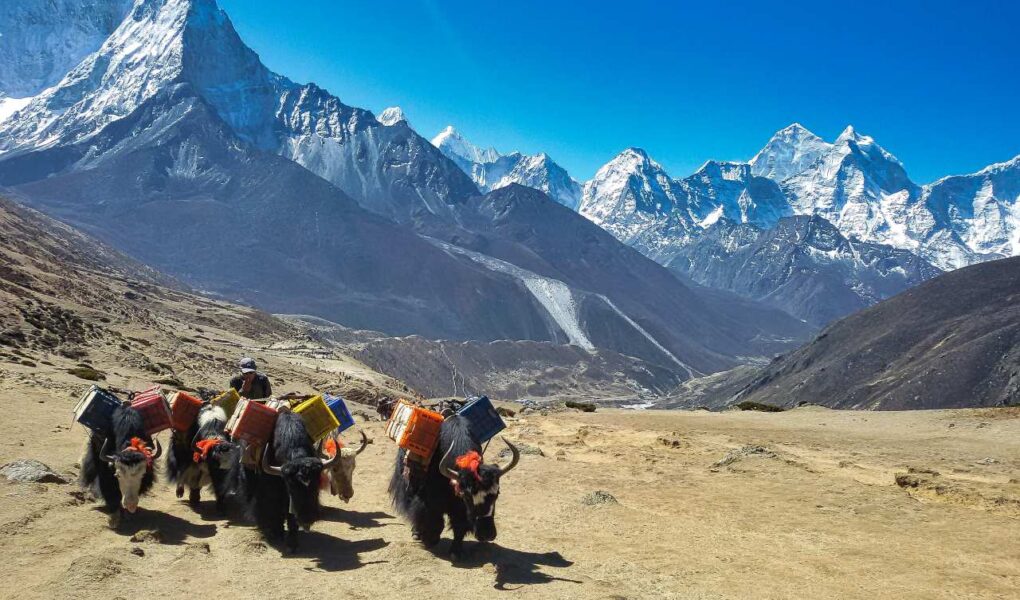
The Everest Base Camp Trek is one of the most iconic and breathtaking adventures in the world. But getting to a destination at such a high altitude comes with its own challenges: you need to take care to be healthy and safe to help avoid altitude sickness. Trekking in the Himalayas is a breathtaking experience. However, the altitude, weather and physical efforts can be quite taxing on trekkers. With the right level of preparation, keeping the body in good health, and awareness of the signs of any potential issues, trekkers can be assured of a safe and enjoyable journey to Everest Base Camp.
The Everest Base Camp Trek one of the Important factors to consider here is acclimatization. The hike brings you to elevations above 3,000 meters (9,843 feet), where the amount of oxygen is far less than at sea level. Do not rise too quickly because trekkers can risk getting altitude sickness, which can vary from mild aches and nausea to malignant conditions like High Altitude Pulmonary Edema (HAPE) and High Altitude Cerebral Edema (HACE). To reduce the risk of altitude sickness, trekkers are advised not to climb too quickly, and to follow (climb high, sleep low), meaning that during the day, one climbs to a higher point and descends to a lower altitude to sleep. Frequent rest days in crucial places like Namche Bazaar and Dingboche give the body a chance to acclimatize to the higher elevations and greatly lower the chances of altitude sickness.
Next, hydration and nutrition are vital in order to stay healthy throughout your trek. Air is very dry at high altitudes and this can cause dehydration, so be sure to keep water handy throughout the day. Staying hydrated helps you maintain energy and prevents complications like headaches and dizziness. Along with drinking enough fluids, hikers should pay attention to consuming balanced and power-dense foods. Hiking at higher altitudes requires more energy therefore it’s important to eat enough calories to keep the body fueled. Nuts, fruits, energy bars, and simple carbohydrates — pasta and rice, for example — offer required nutrition without adding burdens to the digestive system.
Physical fitness is another vital part of staying healthy on the trek. Even though the Everest Base Camp Trek can be manageable for people of all levels of fitness, it is still a journey that demands stamina, strength, and endurance. It is, however, very important that you undergo proper physical conditioning before the trek, as it will make the journey much easier for you. This is where cardiovascular fitness is key, as you will be walking uphill for hours at altitude. Hiking or walking regularly and doing leg strength training will condition the body for the rigors of the trek.
A reputable guide or agency also represents an important safety measure for trekking. Many seasoned guides are trained to recognize the symptoms of altitude sickness, administer first aid if needed, and decide when to descend or call for help. They also assist on the trail and make sure that the trekkers do not go off the right path. You also have a safety net with a guide who knows the lay of the land and cultural specifics, especially if you’re in an accident in a remote location where it takes time for a doctor to reach you.
The weather in the Everest region is unpredictable; hence it is essential to be prepared for cold and warm weather. Temperatures during winter can reach below zero but daytime temperatures along the trek can be quite mild. Layering is important — wear moisture-wicking, fast-drying garments and pack a warm jacket, hat, gloves, and sturdy shoes. If trekking during the monsoon season (June to September), be prepared for the rain, unless your ambition is to get soaking wet.
Everest Base Camp Trek Experience Finally as much as physical preparation, mental preparation too is important. Walking all day at an altitude can be mentally taxing. Overall, remaining positive, pacing yourself, and allowing yourself to focus on the journey instead of running to the destination are key components in overcoming fatigue or doubt. Realizing that the trek isn’t a race and that it is fine to stop along the way or retreat if need be is critical to maintaining mental health.
So, health and safety on the Everest Base Camp Trek comes down to proper preparation, vigilance, and respect for the challenging environment. Many of the hazards of high-altitude trekking can be avoided by acclimatizing properly, staying hydrated and well-nourished, being physically fit, and preparing for the weather. However, with the proper approach and precautions, the Everest Base Camp Trek can be a fantastic and rewarding experience.
Health and Safety in The Everest Base Camp Trek
The Everest Base Camp Trek is an adventure of a lifetime, allowing trekkers to explore some of the most beautiful landscapes in the world. Little did you know, this journey also brings a few health and safety hurdles to clear before you embark on a safe and fun adventure. The high elevation, changeable weather, and demanding physical effort involved can wreak havoc on your body unless you know what you’re doing. Protecting your health and safety on this trek is a matter of careful preparation, adequate physical training, and avoiding the risks you might encounter. You can also minimize potential severe health problems such as exhaustion, altitude sickness, and dehydration by taking the initiative in understanding the challenges this trek can pose and managing your health accordingly. Being safe also means having the right gear and know-how when out on the trail. The Everest Base Camp trek can be a life-changing experience if done correctly.
Preparing Physically: The Training and Fitness Aspect
When it comes to undertaking Everest Base Camp Trek, physical preparation is important. Although this trek is within reach of most individuals in average physical condition, it is physically challenging with long-duration diurnal walks over rugged ground, pronounced altitude gain, and changing climates. Cardio conditioning, strength training, and endurance work are the best ways to prepare your body for the demands. You lack days of continuous beats on steep surfaces, so try hiking or dancing on your fun local trail to imitate some of the excess load and the bad terrain of your trek. Cardio, like running, cyclin,g or swimming, helps build stamina needed for long days on the trail. Preparatory strength training (especially the legs and core) will make your muscles ready for the steep climbs and cautious against injury. Also, do some flexibility exercises to loosen your muscles. To enhance your chances of completing this once-in-a-lifetime trek without too much fatigue or injury, preparing your body with some proactive measures is key!
Essentials: What to Bring to Be Comfortable and Safe
Everest Base Camp Trek Nepal Essential Gear to Take on Everest Base Camp Trek [Packing Guide] █▋██Explore the mighty Himalayan trails in Nepal as you trek through the daunting Everest Base Camp trek. Important items to pack include high-quality, durable, moisture-wicking clothing, a sleeping bag rated for sub-zero temperatures, and a well-fitted backpack. Layering is key to coping with fluctuating temperatures, so pack base layers, insulating layers, and a waterproof jacket. Rugged, worn-in trekking boots are essential for traversing rough trails and warding off blisters. Don’t forget a hat, gloves, and sunglasses to shield you from the sun’s glare at high altitudes. You should also be properly equipped with a good quality water bottle or hydration system when out in the field, along with water purification tablets or filters. You should also pack first-aid supplies, such as blister care, pain relievers, and medications for altitude sickness. If you’re out for hikes during low light periods, a headlamp and spare batteries are very helpful. Also, a camera and trekking poles for added stability and a lightweight, comfortable sleeping mat. With the right gear for your trek, you can stay comfortable and safe on any trek.
Your Date of Birth: Your month of birth is 7 March.
Everest Base Camp Trek Adventure The most significant of these factors is well, acclimatization. When you go to high altitudes, the air has less oxygen, and it can cause altitude sickness if the body does not have enough time to acclimatize. Altitude sickness is everything from headaches to nausea, to dizziness, to shortness of breath, and, if not treated, can turn into something more serious, like HAPE (High Altitude Pulmonary Edema) or HACE (High Altitude Cerebral Edema). Gradual ascent is the best way to prevent altitude sickness: give your body a chance to adapt. That means building rest days into your itinerary, especially after you reach major altitudes like Namche Bazaar and Dingboche, so your body can acclimatize before going higher. In general, do not increase your sleeping altitude more than 500 meters (1,640 feet) per day. Taking it easy, hydrating, and giving your body time to adjust to the lower oxygen levels are all essential tactics for ensuring a successful trek.
Hydration and Nutrition: How to Fuel Your Body on the Trail
Hydration and nutrition are necessary to maintain your energy levels and keep your body running properly during the physically challenging Everest Base Camp Trek. High altitudes have dry air which can cause dehydration even when you don’t feel thirsty, so make sure to drink enough water throughout the day. Drink more than usual, 3–4 liters a day, and also consume Electrolyte drinks to replace lost minerals. As for nutrition, you burn more energy at high altitudes, so if you eat balanced meals, regularly, you’ll better manage the climb. Concentrate on high carbohydrate foods — rice, pasta, energy bars, and so on — that offer a sustained source of fuel. Protein-rich foods such as nuts, beans and lentils will keep muscle mass up, and healthy fats from items such as avocados or cheese are key for lasting energy. They avoid heavy, greasy meals because they can be hard to digest at high altitudes. Eating small meals throughout the day can maintain your energy level and avoid nausea, which is common on the trek. Adequate nutrition and hydration will help you maintain strength and mitigate the risk of altitude sickness.
How to Cope with Altitude Sickness: Symptoms, Prevention, and Treatment
Everest Base Camp Trek Difficulty With the Everest Base Camp Trek, trekers have a common risk of altitude sickness, as they trek through high altitudes where oxygen levels are greatly reduced. The early signs of altitude sickness are headaches, dizziness, nausea, loss of appetite, and shortness of breath. If you begin to notice any of these signs, it’s critical to halt your ascent immediately and rest. Resting for a day or going to a lower altitude is usually the best cure for the symptoms. The key to avoiding altitude sickness is proper acclimatization, which includes ascending slowly, drinking plenty of water, and taking breaks along the route at certain points to give your body a chance to adapt. Along with acclimatization, medication such as Diamox (acetazolamide) can hasten the acclimatization process; however, it should only be taken under a doctor’s supervision. If symptoms worsen or if you develop more severe ones, like confusion, difficulty walking, or extreme shortness of breath, it’s crucial to descend immediately and get medical attention. Altitude sickness can rapidly turn deadly, so it’s crucial to heed your body and respond at the first signs that something’s amiss. However identifying the symptoms early and taking prompt action can be vital in stopping severe complications.
Be Informed About Weather: Dress According to the Weather
Weather in the Everest region can be unpredictable, and conditions can change dramatically during the day. As you climb to higher altitudes, temperatures can plummet, and you might face downpours or snowstorms, or blazing sun. Wearing layers will help you stay comfortable as well as safe. First, put on a moisture-wicking base layer to move sweat away from your skin, then wear an insulating layer, like fleece or down, to keep your body heat. Your first/outer layer should be waterproof and windproof to protect you from rain, snow, and wind. Days can be relatively warm, but it turns extremely cold at night. You can also put on or take off as needed to adapt to changing conditions (layering). Always pack a hat, gloves, and sunglasses to fight against getting sunburned at such heights and keep warm in cold weather. Good footwear is crucial as well; make sure to wear solid waterproof trekking boots that provide ankle support and grip on rocky and slippery terrain. Just being aware and prepared for the weather will help you deal with the conditions and allow you to be comfortable and safe while on your journey.
Energetic and Enthusiastic: The Power of Rest and Sleep
Everest Base Camp Trek Travel Guide The physically taxing Everest Base Camp Trek requires lots of energy, rest , and sleep to recharge your body. The trek itself is strenuous, consisting of long days of uphill walking in high altitudes, which can create fatigue. Having enough sleep at night helps your body repair muscles, process energy, and adapt to the altitude. Avoid alterations in sleeping habits, and always sleep for 7-8 hours a day. Even if you’re feeling fatigued, naps during the day can help recharge your energy. And as always, listen to your body and rest** when you need to! Frequent rest throughout the day helps prevent fatigue and allows the body to heal itself from microtrauma incurred during the day. As you gain altitude, the thinner air can make it more difficult to get quality rest, so do your best to stay as relaxed as possible, and make sure your sleeping bag is rated warm enough. Shoddy rest can result in irritability, reduced stamina, and even a greater chance of altitude sickness, so be sure to make rest a part of your health and safety plan.
Preventing Injuries: Stretching, Caring for Feet, Averting Common Illnesses
Moore, Trekking to Everest Base Camp — Injury Prevention Pain in the feet, including blisters and swelling, is one of the most common problems trekkers encounter. To prevent this, wear fitted (but not too tight) trekkers that you’ve broken in, and always keep your feet clean and dry. Check your feet regularly for hot spots and precursor soreness and treat these tender spots with blister pads before they form into serious blisters. Also, proper foot care helps reduce the chance of injury. Another key strategy for preventing injury is to stretch before and after the trek. Stretching your calves, hamstrings, and quadriceps helps reduce muscle stiffness and prevents strains, as well as improving your flexibility. Ankle exercises can also help stave off sprains, which are common on uneven, rocky trails. When trekking, do ensure you go at a steady pace to be able to also not tire your muscles too much, and also take breaks and adjust your stride accordingly. Being mindful of your body’s needs and avoiding overusing it will minimize injury risk, and you can finish the trek without hindrance.
Hygiene and sanitation — featuring clean and healthy on the trail
Everest Base Camp Trek Training Hygiene and Health on the Everest Base Camp Trail As the trek is remote and facilities are limited, personal hygiene is difficult but important. First up, throw a small toiletry kit in your travel bag with biodegradable soap, hand sanitizer, and wet wipes to wipe the dirt off your body while keeping the planet green. It is very important to wash hands regularly, especially before eating, after the public toilet, and from daily use of trekking gear. A small towel is also useful to freshen up at tea houses or camps. An eco-sensitive lifestyle includes using proper toilet facilities at lodges if available and bringing toilet paper or a trowel to bury waste if not. With regards to food, consume easily digestible food items and do not overconsume meat (difficult to digest at high altitudes). Having a first aid kit with basic medications (anti-diarrheal drugs or antiseptics) can prevent these health issues or may help deal with minor health problems. Keeping clean and maintaining good hygiene will help reduce the risk of infections, gastrointestinal problems, and other illnesses along your trek.
Emergency Preparedness: What to Do When You Are Dealing with Illness or Injury
Making yourself ready for emergencies is critical to your safety while hiking the Everest Base Camp Trek. Altitude sickness, injury, and illness are some of the risks associated with trekking. Before you start your trek, familiarize yourself with altitude sickness symptoms as well as when to turn back or seek medical help. You should also consider traveling with a small first-aid kit that contains some basic bandages, pain medication, antiseptic wipes, and blister treatment. In case of an emergency, always notify your guide or trekking group leader immediately, they are trained to handle medical situations and will make the decision to seek help or evacuate. Moreover, the majority of trekking companies provide emergency evacuation plans that may even involve helicopter rescues in the case of harsh altitude sickness or injury. Make sure you have enough insurance that covers high-altitude trekking and emergency evacuation. Having knowledge on how to react to an emergency in advance and being mentally prepared for the possibility can help you respond calmly and effectively in critical situations.
Final Thoughts: Having Fun but Staying Safe
EBC Trek Walking in the shadow of the world’s tallest mountain, the Everest Base Camp Trek is an epic challenge with breathtaking views that is sure to be a sense of accomplishment. But remember, you want to enjoy the experience, so protecting your health and safety comes first. By training your body, having the right equipment, managing your fluids and nutrition, and taking appropriate precautions against altitude sickness. Other things that will also help you remain healthy during your trek are awareness of our weather conditions, adequate sleep, injury prevention, and hygiene. And though the trail offers its obstacles, you can completely immerse yourself in the stunning scenery of the Everest region by approaching the experience with the right mentality and preparation. With proper planning and consideration of your health and safety, you can maximize this once-in-a-lifetime trip.